
2026 UCI Road World Championships
Montérégie will host the Elite Women's and Men's Road Race events at the 2026 UCI Road World Championships. A regional contribution to an international event!
Information about the 2026 UCI Road World Championships in Montreal



Getting around
Whether by bus, train, or plane, getting around Montérégie is a breeze. What's more, these modes of transportation are accessible to people with reduced mobility. You can also bring your bike on trains and many bus routes.

Longueuil-Université-de-Sherbrooke Station
The “Longueuil-Université-de-sherbrooke” metro station is part of the yellow line, which connects the South Shore to downtown Montreal, with a stop at Île-Sainte-Hélène. It is located five minutes from a connection between the orange and green metro lines, which cover a large part of Montreal and provide a gateway to the North Shore, including Laval.

Longueuil Terminal
The Montérégie Region is served by a network of more than 500 bus lines covering the Longueuil area and the South Shore. These lines are accessible via the terminals of Montarville, Panama, Brossard and Longueuil, with access to the metro just a few steps away! In addition, several cities also offer urban public transit services.
Montarville Terminal
The Montérégie Region is served by a network of more than 500 bus lines covering the Longueuil area and the South Shore. These lines are accessible via the terminals of Montarville, Panama, Brossard and Longueuil, with access to the metro just a few steps away! In addition, several cities also offer urban public transit services.
Panama Terminal
The Montérégie Region is served by a network of more than 500 bus lines covering the Longueuil area and the South Shore. These lines are accessible via the terminals of Montarville, Panama, Brossard and Longueuil, with access to the metro just a few steps away! In addition, several cities also offer urban public transit services.
St-Hyacinthe Terminal
The Montérégie Region is served by a network of more than 500 bus lines covering the Longueuil area and the South Shore. These lines are accessible via the terminals of Montarville, Panama, Brossard and Longueuil, with access to the metro just a few steps away! In addition, several cities also offer urban public transit services.

Montréal-Saint-Hubert Airport
The Montréal-Saint-Hubert Airport is located 15 minutes from downtown Montreal and offers flights throughout Quebec and Canada.

Société des traversiers du Québec - Traverse Sorel-Tracy – Saint-Ignace-de-Loyola
River shuttles allow people to move about the area’s waterways. These ferries provide an essential road link between the two shores of the St. Lawrence River and provide direct access to the Montréal, Lanaudière and Laurentides regions.
Traversier Le Passeur – Travers Pointe-Fortune - Saint-André-d'Argenteuil:
River shuttles allow people to move about the area’s waterways. These ferries provide an essential road link between the two shores of the St. Lawrence River and provide direct access to the Montréal, Lanaudière and Laurentides regions.
Traverse Oka
River shuttles allow people to move about the area’s waterways. These ferries provide an essential road link between the two shores of the St. Lawrence River and provide direct access to the Montréal, Lanaudière and Laurentides regions.

Hudson Station
The Montérégie Region is served by four train lines covering Saint-Lambert to Saint-Hyacinthe, including a stop at Mont-Saint-Hilaire, Sainte-Catherine to Candiac and Vaudreuil-Dorion to Hudson. All departures for these lines are from the Montreal Central Station, and they run in both directions.
Vaudreuil Station
The Montérégie Region is served by four train lines covering Saint-Lambert to Saint-Hyacinthe, including a stop at Mont-Saint-Hilaire, Sainte-Catherine to Candiac and Vaudreuil-Dorion to Hudson. All departures for these lines are from the Montreal Central Station, and they run in both directions.
Dorion Station
The Montérégie Region is served by four train lines covering Saint-Lambert to Saint-Hyacinthe, including a stop at Mont-Saint-Hilaire, Sainte-Catherine to Candiac and Vaudreuil-Dorion to Hudson. All departures for these lines are from the Montreal Central Station, and they run in both directions.
Pincourt Station
The Montérégie Region is served by four train lines covering Saint-Lambert to Saint-Hyacinthe, including a stop at Mont-Saint-Hilaire, Sainte-Catherine to Candiac and Vaudreuil-Dorion to Hudson. All departures for these lines are from the Montreal Central Station, and they run in both directions.
Île-Perrot Station
The Montérégie Region is served by four train lines covering Saint-Lambert to Saint-Hyacinthe, including a stop at Mont-Saint-Hilaire, Sainte-Catherine to Candiac and Vaudreuil-Dorion to Hudson. All departures for these lines are from the Montreal Central Station, and they run in both directions.

Saint-Lambert Station
The Montérégie Region is served by four train lines covering Saint-Lambert to Saint-Hyacinthe, including a stop at Mont-Saint-Hilaire, Sainte-Catherine to Candiac and Vaudreuil-Dorion to Hudson. All departures for these lines are from the Montreal Central Station, and they run in both directions.
Longueuil-Saint-Hubert Station
The Montérégie Region is served by four train lines covering Saint-Lambert to Saint-Hyacinthe, including a stop at Mont-Saint-Hilaire, Sainte-Catherine to Candiac and Vaudreuil-Dorion to Hudson. All departures for these lines are from the Montreal Central Station, and they run in both directions.
Saint-Bruno Station
The Montérégie Region is served by four train lines covering Saint-Lambert to Saint-Hyacinthe, including a stop at Mont-Saint-Hilaire, Sainte-Catherine to Candiac and Vaudreuil-Dorion to Hudson. All departures for these lines are from the Montreal Central Station, and they run in both directions.
Saint-Basile-le-Grand Station
The Montérégie Region is served by four train lines covering Saint-Lambert to Saint-Hyacinthe, including a stop at Mont-Saint-Hilaire, Sainte-Catherine to Candiac and Vaudreuil-Dorion to Hudson. All departures for these lines are from the Montreal Central Station, and they run in both directions.
McMasterville Station
The Montérégie Region is served by four train lines covering Saint-Lambert to Saint-Hyacinthe, including a stop at Mont-Saint-Hilaire, Sainte-Catherine to Candiac and Vaudreuil-Dorion to Hudson. All departures for these lines are from the Montreal Central Station, and they run in both directions.
Mont-Saint-Hilaire Station
The Montérégie Region is served by four train lines covering Saint-Lambert to Saint-Hyacinthe, including a stop at Mont-Saint-Hilaire, Sainte-Catherine to Candiac and Vaudreuil-Dorion to Hudson. All departures for these lines are from the Montreal Central Station, and they run in both directions.

Candiac Station
The Montérégie Region is served by four train lines covering Saint-Lambert to Saint-Hyacinthe, including a stop at Mont-Saint-Hilaire, Sainte-Catherine to Candiac and Vaudreuil-Dorion to Hudson. All departures for these lines are from the Montreal Central Station, and they run in both directions.
Delson Station
The Montérégie Region is served by four train lines covering Saint-Lambert to Saint-Hyacinthe, including a stop at Mont-Saint-Hilaire, Sainte-Catherine to Candiac and Vaudreuil-Dorion to Hudson. All departures for these lines are from the Montreal Central Station, and they run in both directions.
Saint-Constant Station
The Montérégie Region is served by four train lines covering Saint-Lambert to Saint-Hyacinthe, including a stop at Mont-Saint-Hilaire, Sainte-Catherine to Candiac and Vaudreuil-Dorion to Hudson. All departures for these lines are from the Montreal Central Station, and they run in both directions.
Sainte-Catherine Station
The Montérégie Region is served by four train lines covering Saint-Lambert to Saint-Hyacinthe, including a stop at Mont-Saint-Hilaire, Sainte-Catherine to Candiac and Vaudreuil-Dorion to Hudson. All departures for these lines are from the Montreal Central Station, and they run in both directions.

Brossard Station
his new service is an automated light rail transit system composed of 26 universally accessible stations in the Greater Montreal area. Five REM stations from Brossard to Central Station are in operation. It runs seven days a week and operates 20 hours a day.
Du Quartier Station
his new service is an automated light rail transit system composed of 26 universally accessible stations in the Greater Montreal area. Five REM stations from Brossard to Central Station are in operation. It runs seven days a week and operates 20 hours a day.
Panama Station
his new service is an automated light rail transit system composed of 26 universally accessible stations in the Greater Montreal area. Five REM stations from Brossard to Central Station are in operation. It runs seven days a week and operates 20 hours a day.

Autobus
The Montérégie Region is served by a network of more than 500 bus lines covering the Longueuil area and the South Shore. These lines are accessible via the terminals of Montarville, Panama, Brossard and Longueuil, with access to the metro just a few steps away! In addition, several cities also offer urban public transit services.

Métro
The “Longueuil-Université-de-sherbrooke” metro station is part of the yellow line, which connects the South Shore to downtown Montreal, with a stop at Île-Sainte-Hélène. It is located five minutes from a connection between the orange and green metro lines, which cover a large part of Montreal and provide a gateway to the North Shore, including Laval.

Train
The Montérégie Region is served by four train lines covering Saint-Lambert to Saint-Hyacinthe, including a stop at Mont-Saint-Hilaire, Sainte-Catherine to Candiac and Vaudreuil-Dorion to Hudson. All departures for these lines are from the Montreal Central Station, and they run in both directions.

REM
his new service is an automated light rail transit system composed of 26 universally accessible stations in the Greater Montreal area. Five REM stations from Brossard to Central Station are in operation. It runs seven days a week and operates 20 hours a day.

Aéroport
The Montréal-Saint-Hubert Airport is located 15 minutes from downtown Montreal and offers flights throughout Quebec and Canada.

Navette fluviale
River shuttles allow people to move about the area’s waterways. These ferries provide an essential road link between the two shores of the St. Lawrence River and provide direct access to the Montréal, Lanaudière and Laurentides regions.
Brossard
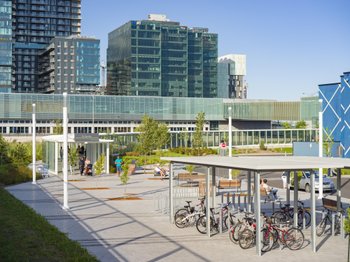
Brossard will be the starting point (Quartier Dix30) for the men's and women's elite races. Brossard, Montréal’s immediate neighbor, benefits from the REM with three stations connecting the city to downtown. A hub for public transit (RTL, Exo, Limocar), it is also home to Quartier DIX30, a vast center for shopping, entertainment, and accommodations. Located along the river, Brossard combines urban modernity with heritage character, offering a high concentration of recreational and tourism attractions.

Ville de Carignan
Located within Montréal’s green belt, Carignan blends rural landscapes with residential growth. Crossed by the L’Acadie River and bordered by the Richelieu River, it is part of the Chambly basin and stands out for its natural environment. Its current designation dates back to 1965, but its history is tied to the Chambly seigneury since the 17th century.
Ville de Chambly
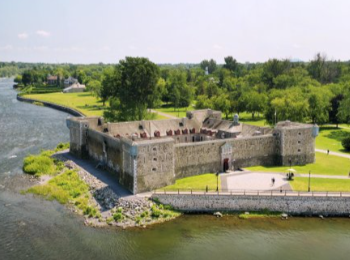
Chambly is marked by the Fort Chambly National Historic Site, a stone fort built in 1711, a major witness of military history on the Richelieu River. The Chambly Canal, linking the United States to Canada, was the first commercial waterway. The city is also recognized as the birthplace of microbreweries in Québec, blending heritage, culture, and gastronomy.
Ville de Richelieu
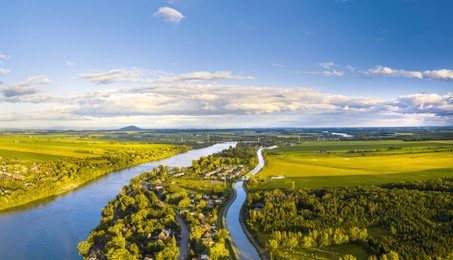
Richelieu, located on the right bank of the river of the same name, was once a portage site for First Nations and later a strategic military location. A former seigneurial territory granted in 1672, it maintains ties with the Hertel, Grant, de Salaberry, and Yule families. The bridge linking Richelieu to Chambly, named “Pont Yule,” commemorates John Yule, the last seigneur of Chambly.
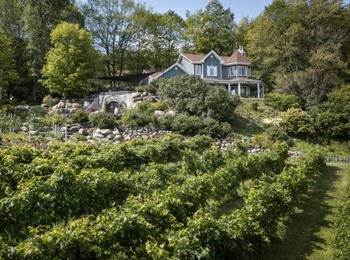
Municipalité de Saint-Jean-Baptiste
Saint-Jean-Baptiste stands out for its agricultural character, with its orchards, market gardeners, and local producers. Nestled between Mont Saint-Hilaire and Mont Rougemont, it offers a rural setting ideal for horseback riding and outdoor activities. Its cultural vitality is driven by local artists and artisans, reinforcing the unique identity of the municipality.
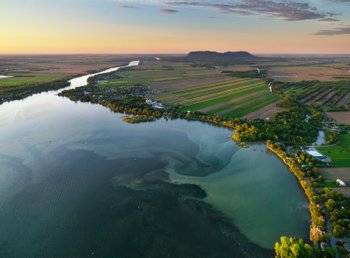
Municipalité de Saint-Mathias-sur-Richelieu
Located 40 km from Montréal, Saint-Mathias-sur-Richelieu combines agriculture and heritage. In the 19th century, it was a major port on the Richelieu River, connecting regional trade with the United States. Today, the river has taken on a recreational and tourism role, while old residences can still be admired as reminders of its past.

Ville de Saint-Jean-sur-Richelieu
Saint-Jean-sur-Richelieu benefits from a strategic location near the Champlain Bridge and the U.S. border. Known as the Hot Air Balloon Capital since 1984, it hosts the largest balloon gathering in the country, the International de montgolfières de Saint-Jean-sur-Richelieu. Its heritage includes Canada’s first railway (1836), as well as the Chambly Canal and the Royal Military College. The city also offers an extensive cycling network and water activities for everyone.
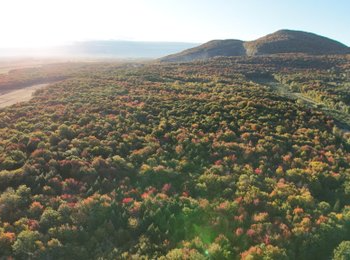
Ville de Mont Saint-Hilaire
Mont-Saint-Hilaire is renowned for the Gault Nature Reserve and its mountainous landscapes. A migratory bird sanctuary since 1960 and Canada’s first UNESCO Biosphere Reserve in 1978, it combines nature and culture. Its orchards, vineyard, museum, and galleries also highlight the artistic heritage of Ozias Leduc, Paul-Émile Borduas, and Jordi Bonet.


The largest cycling network in Quebec
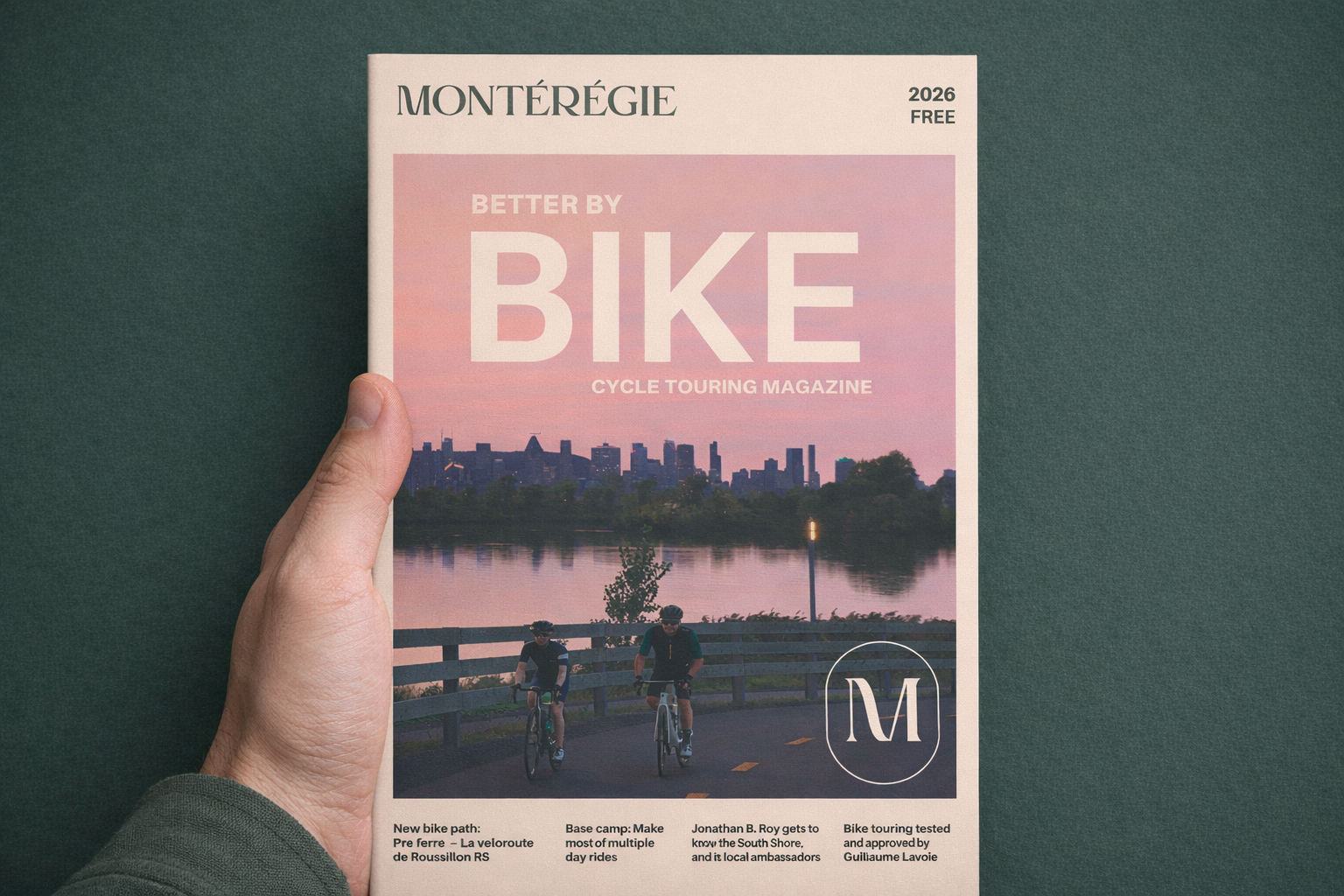
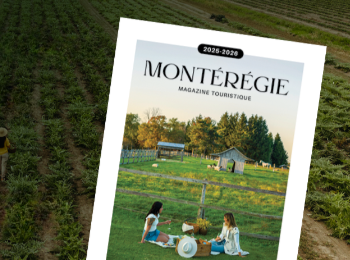


Cycling through Montérégie: an exceptional cycling network
With over 1,000 kilometers of bike paths, Montérégie offers a unique region with a variety of routes suitable for cyclists of all levels, from beginners to the most experienced. This vast network, the largest in Quebec, features interconnected loops and safe routes, often on dedicated paths.