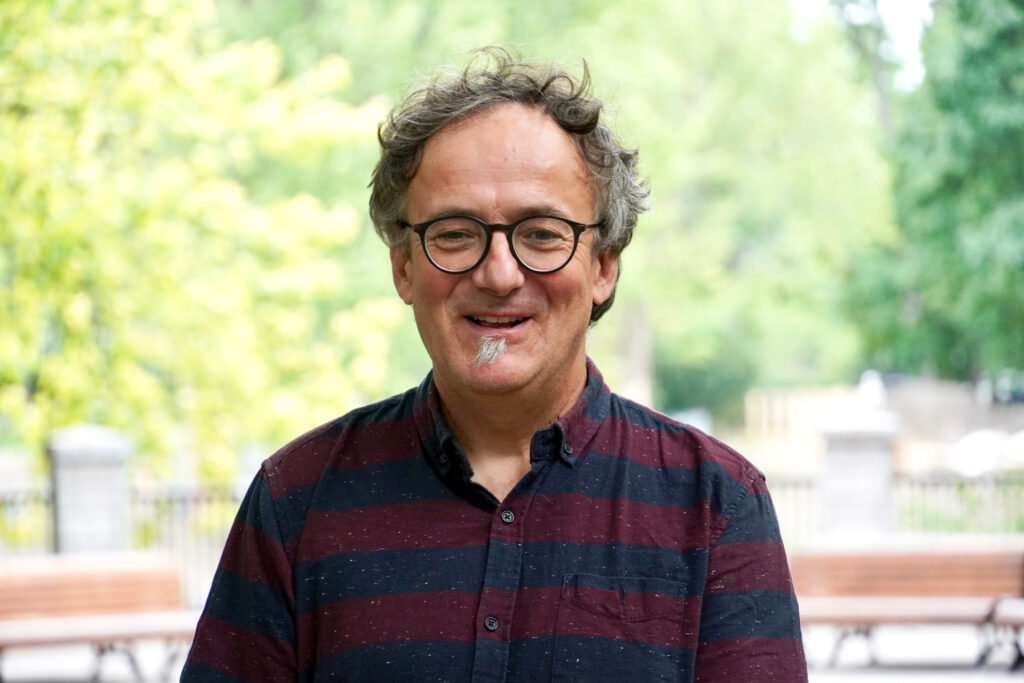
An account of Jacques Sennéchael’s five-day crossing of the Montérégie along his handpicked bike paths and circuits, including the Centre-Est Loop. A slow touring journey that enabled the Vélo Mag editor to savour everything he saw and everyone he met.
Par Charlotte Bastien
Day 1 : From Saint-Jean-sur-Richelieu to Rougemont
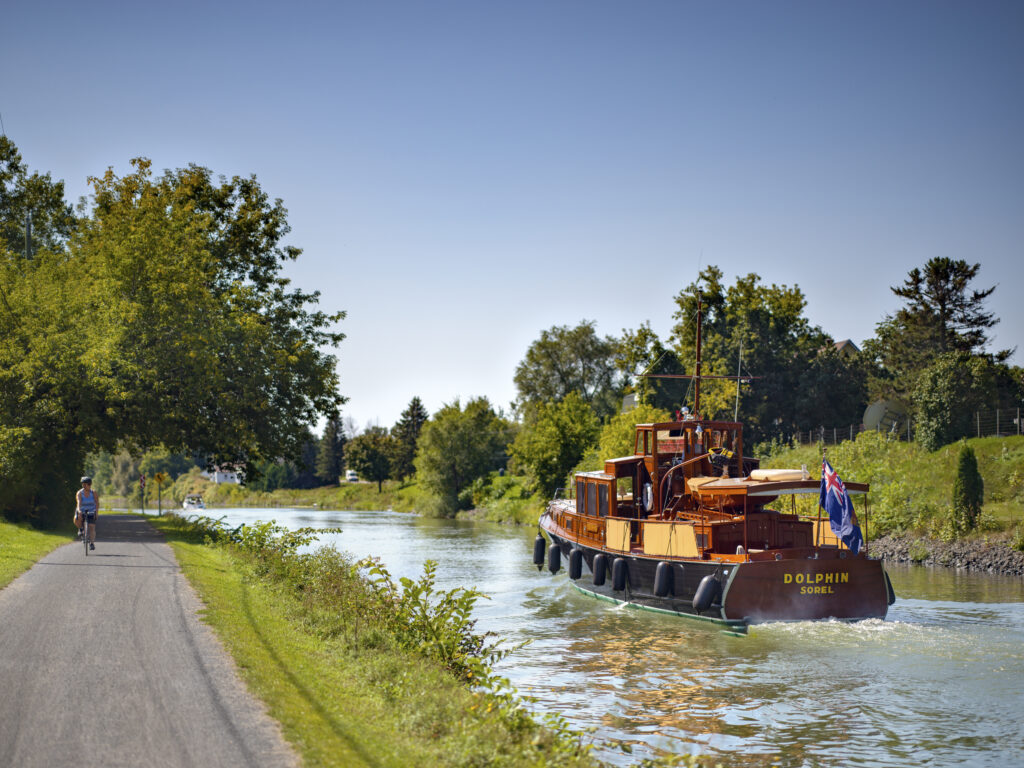
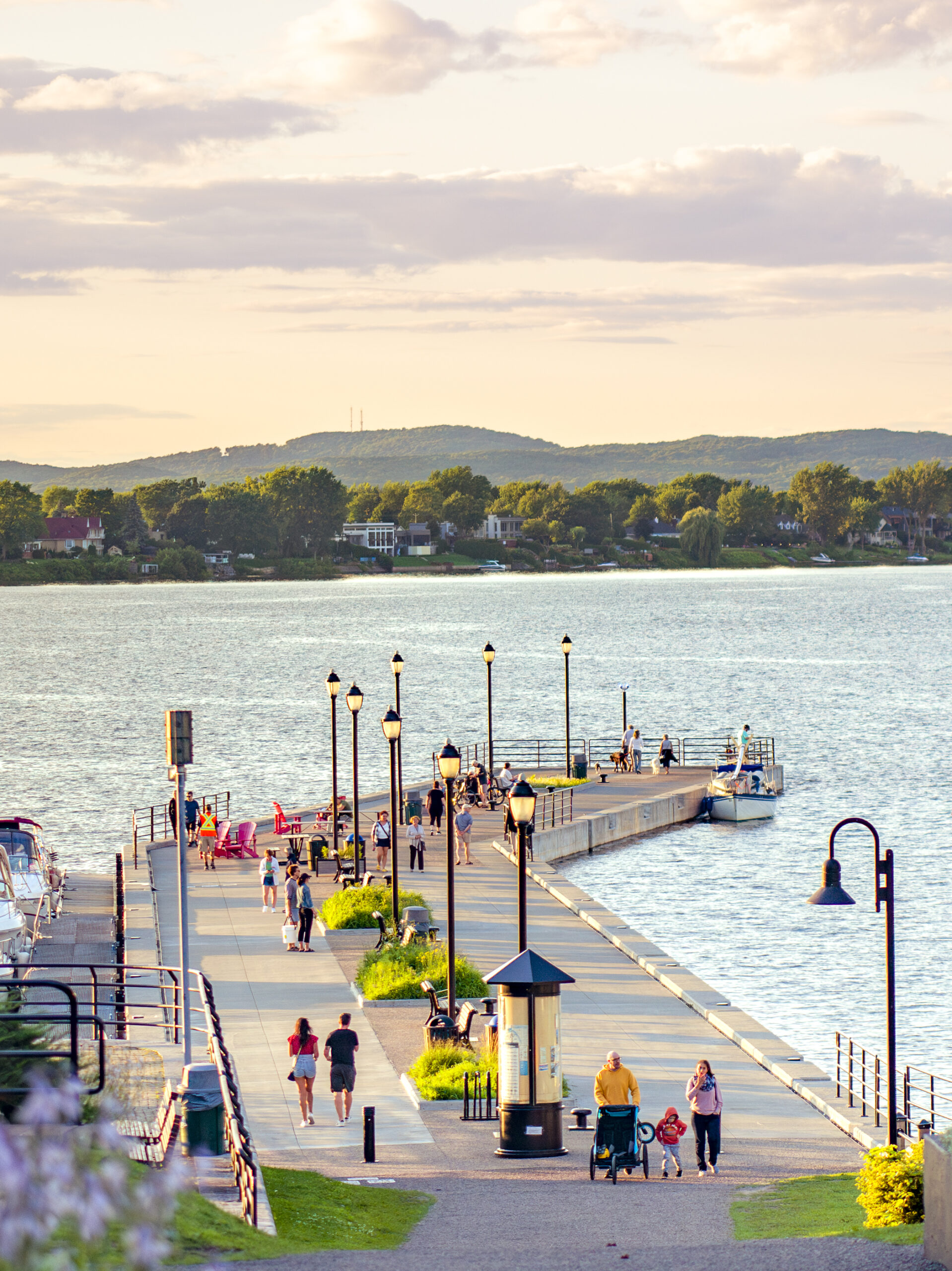
His journey begins in Saint-Jean-sur-Richelieu, following the Richelieu River along the Chambly Canal bike path. The starting point is particularly strategic for cyclists, thanks to the city’s infrastructure, accommodations, and accessibility. Upon arriving in Chambly, he’s delighted by everything he sees: the Fort Chambly National Historic Site, the lively docks, the boats, and the locks. It even feels to him like passing through a seaside town in Europe.
He continues toward Mont-Saint-Hilaire via Chemin de la Montagne, a road equipped with a safe bike lane designed for cyclists ready to take on a few climbs. “The view along this road is absolutely breathtaking!” he says. His route leads him to the Maison des peuples autochtones, where he learns about Indigenous traditions, maple syrup culture, and even sees works by Québec painter Jean-Paul Riopelle. He then follows La Route des Champs toward Rougemont, where his day ends with a restful night at Auberge Le Fruit Défendu.
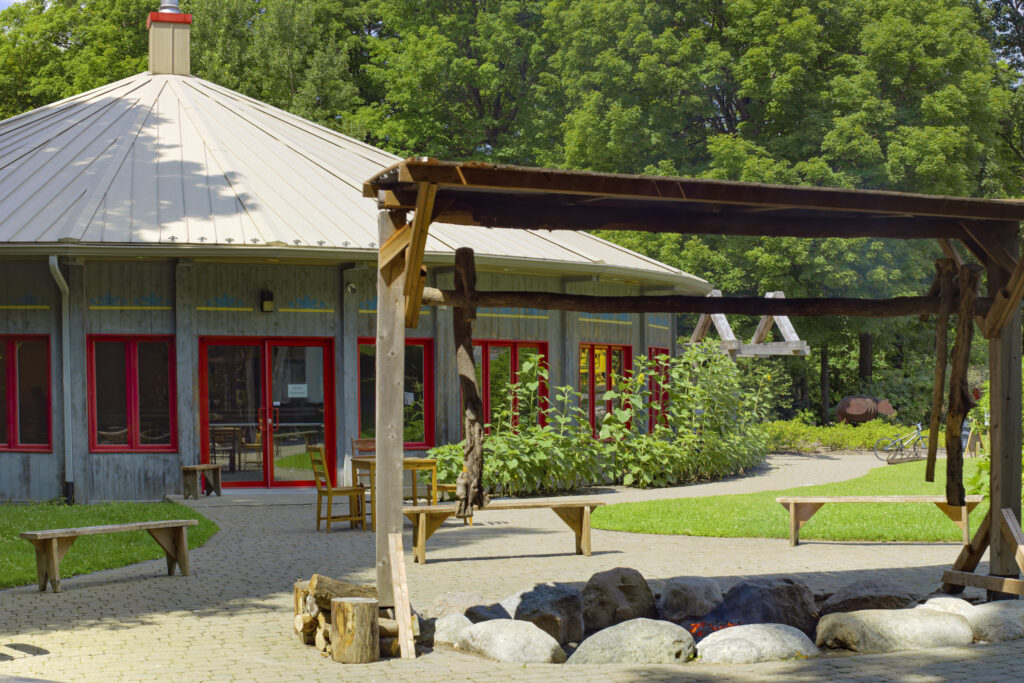
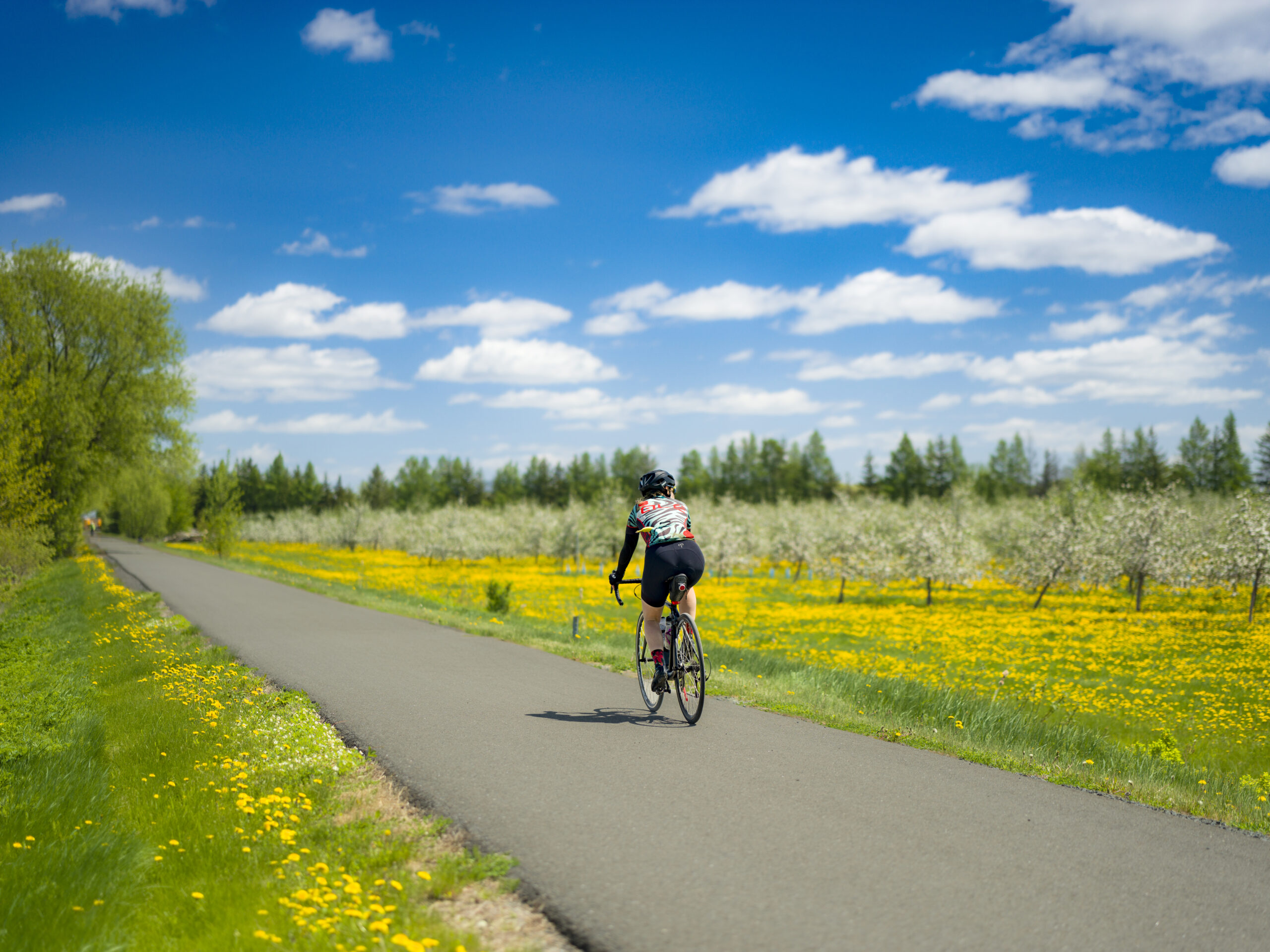
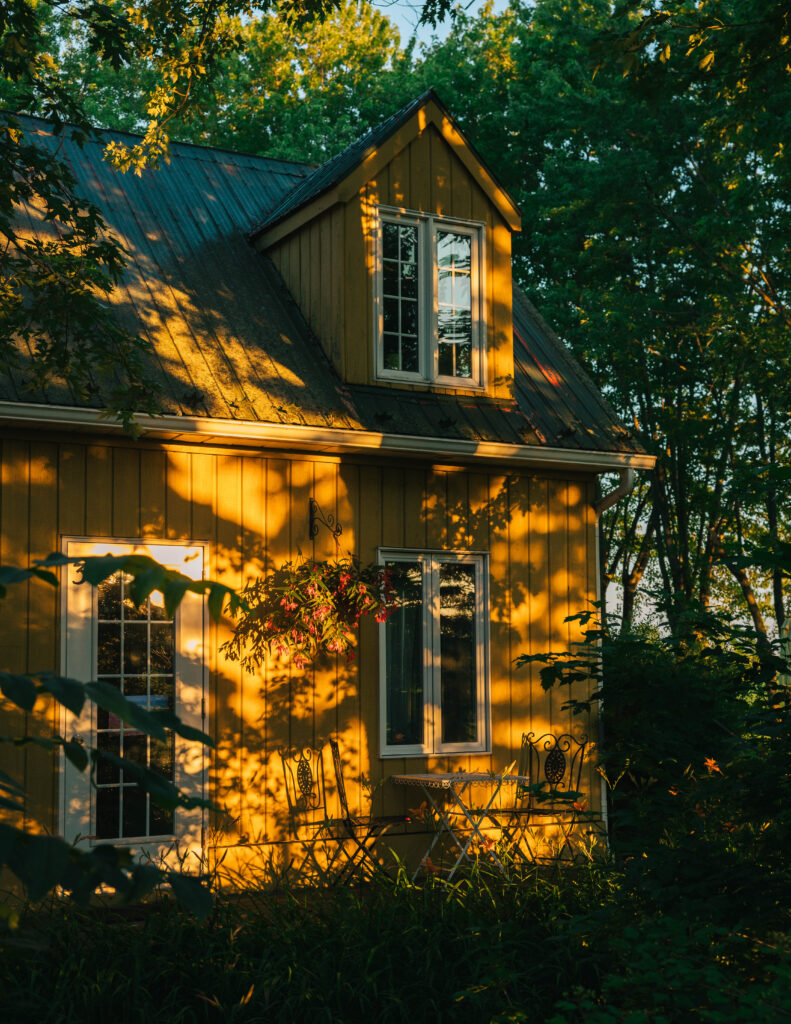
Photo : Jeanne Rondeau-Ducharme
Day 2 : Hello, local flavours
On his second day, the editor-in-chief rides only a few kilometers along Chemin de la Petite Caroline, stopping to meet several local producers. By doing so, he highlights another side of bike travel: slow tourism, an approach that’s all about taking the time to explore and appreciate each discovery. That day, his bike becomes a tool to fully savour the experience.
“By bike, I travel at a pace that allows discoveries and genuine human connections.”
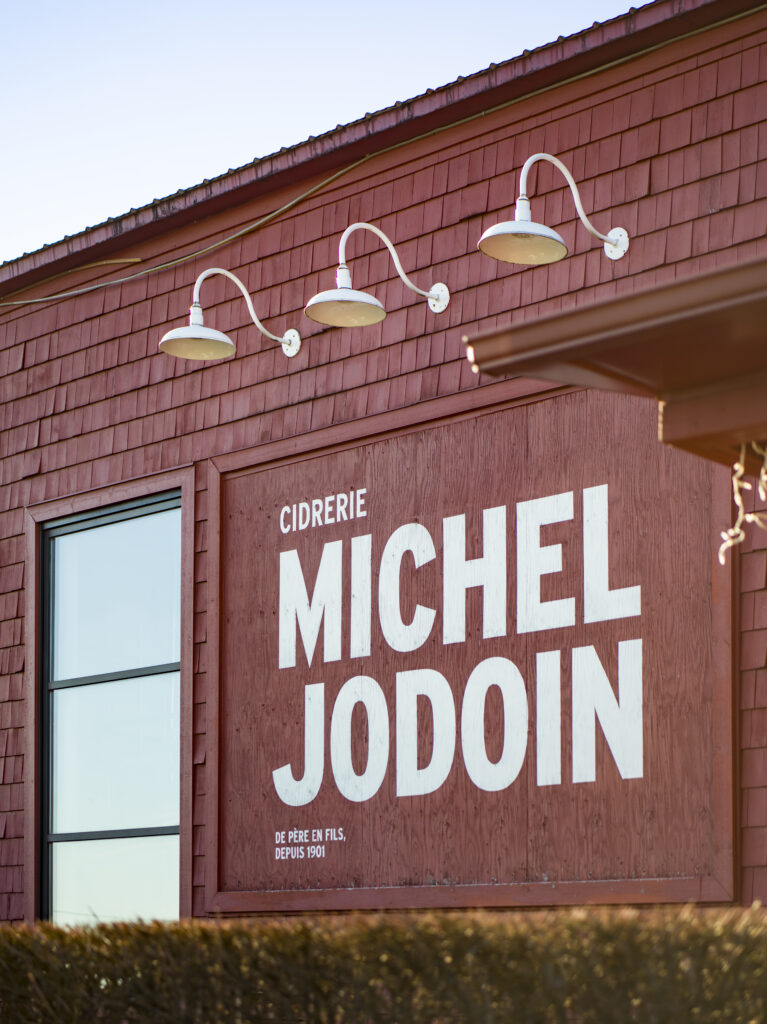
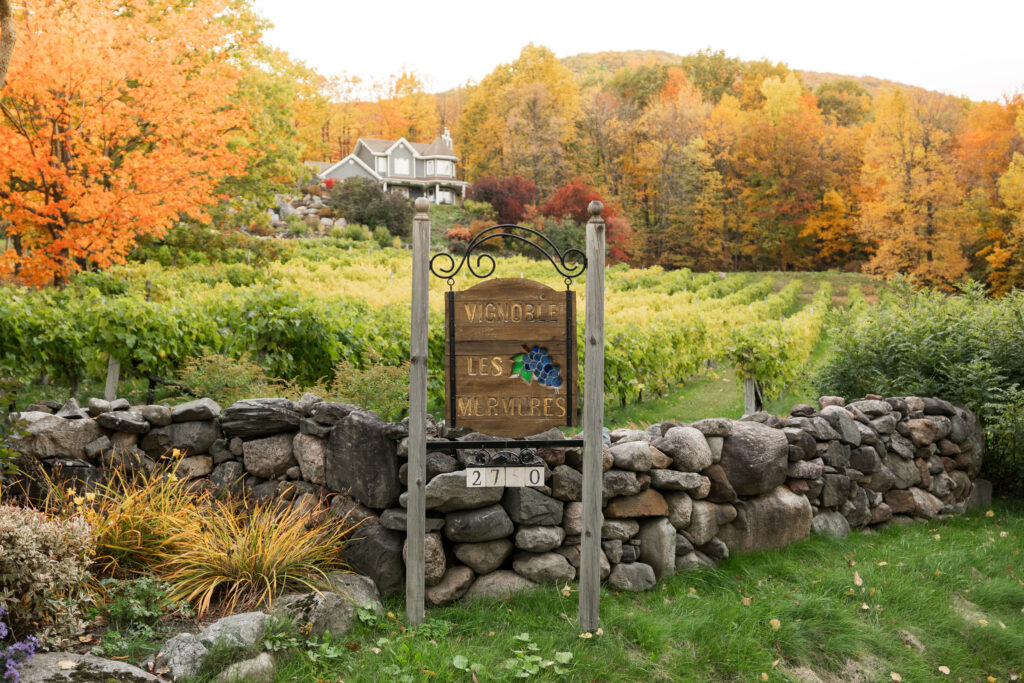
At Cidrerie Michel Jodoin in Rougemont, he dives into the history and tradition of Québec cider. Fascinated by the passion and expertise of the master cider maker, he enjoys an ice cider that showcases the richness of the local terroir. A little farther on, at Vignoble Les Murmures in Saint-Jean-Baptiste, he’s charmed by the site’s peaceful atmosphere and his authentic conversations with the owners. An open-air tasting, right in the heart of the vines, offers him a moment of pure simplicity — one that captures the very spirit of slow travel and the deep connection between land, people, and tradition.
Day 3 : From Rougemont to Granby, and back
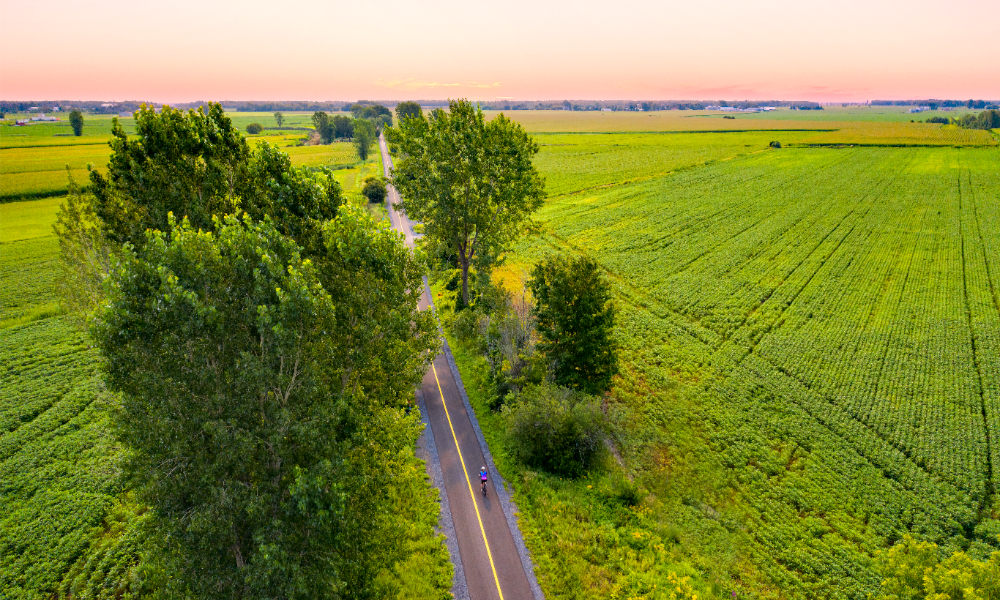
From Rougemont to Granby on Route des Champs, and while heading back to Saint-Jean-sur-Richelieu via the Montérégiade bike path, our magazine editor cuts through a colourful patchwork of orchards, fields and woodland. The ride is like a tribute to the diversity of the region’s landscape.
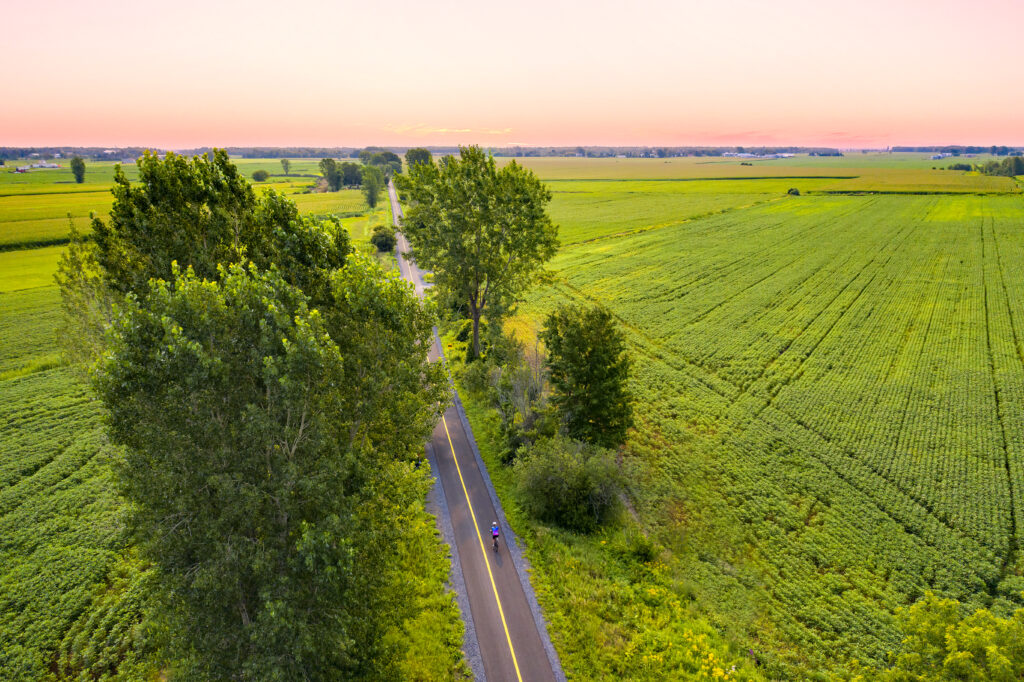
Day 4 : History meets idyllic along the Vallée-des-Forts bikeway
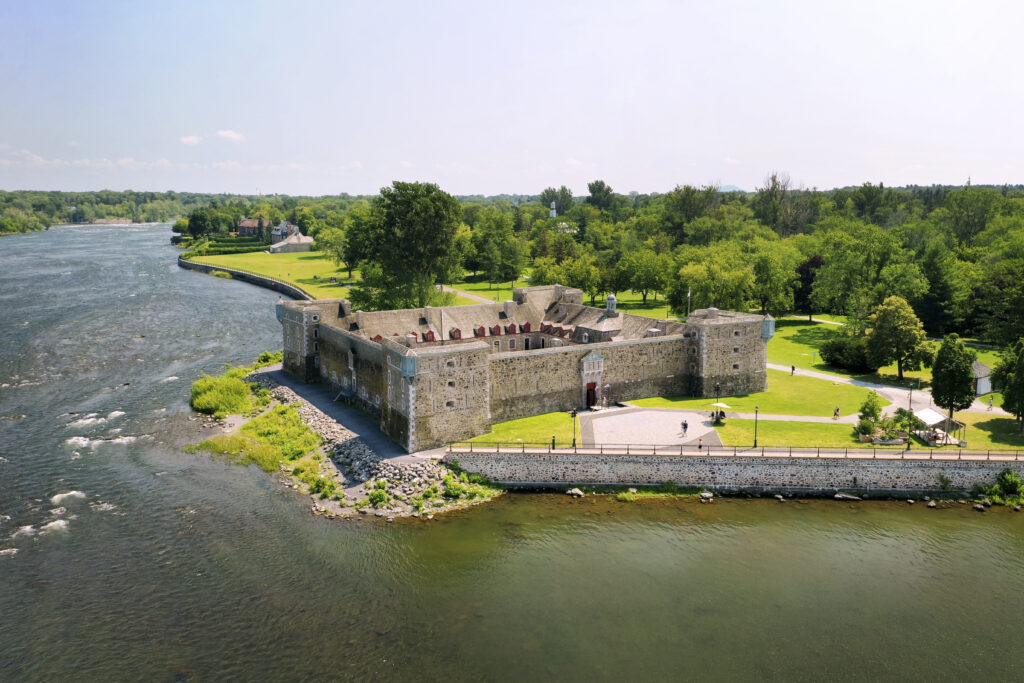
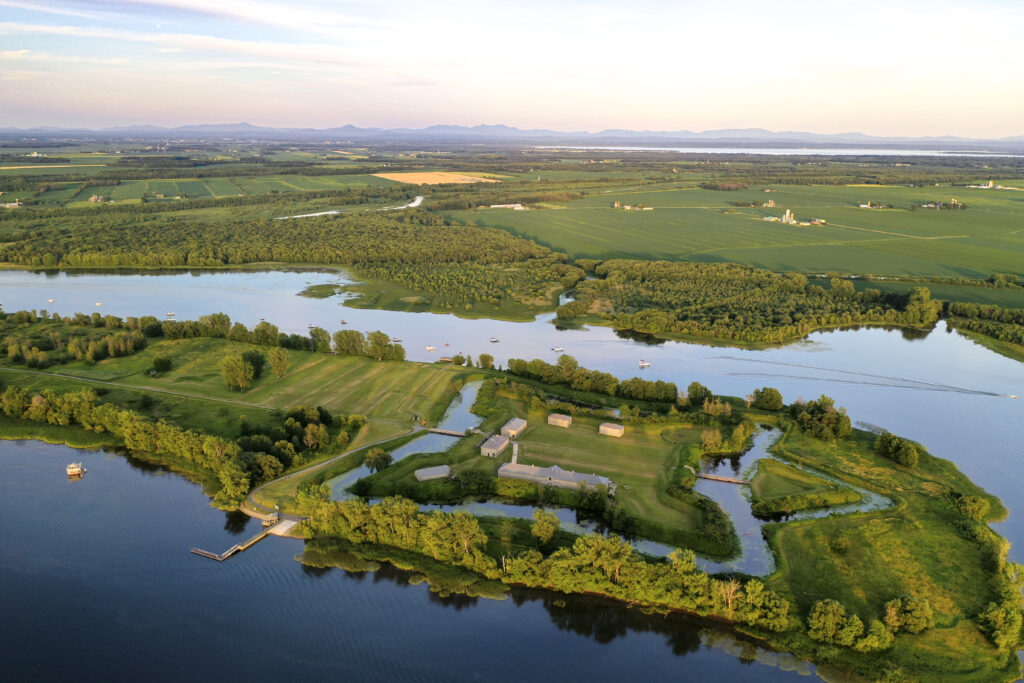
The journey continues along the Vallée-des-Forts bikeway, a path connecting Saint-Jean-sur-Richelieu to the edge of the U.S. border. Along the way, Jacques stops at the Saint-Valentin bike rest area, a charming, flower-filled village known for its romantic vibe, to take in the surroundings. He then rides on to the Fort Lennox National Historic Site in Saint-Paul-de-l’Île-aux-Noix, where he’s captivated by the rich and fascinating history of this iconic location.
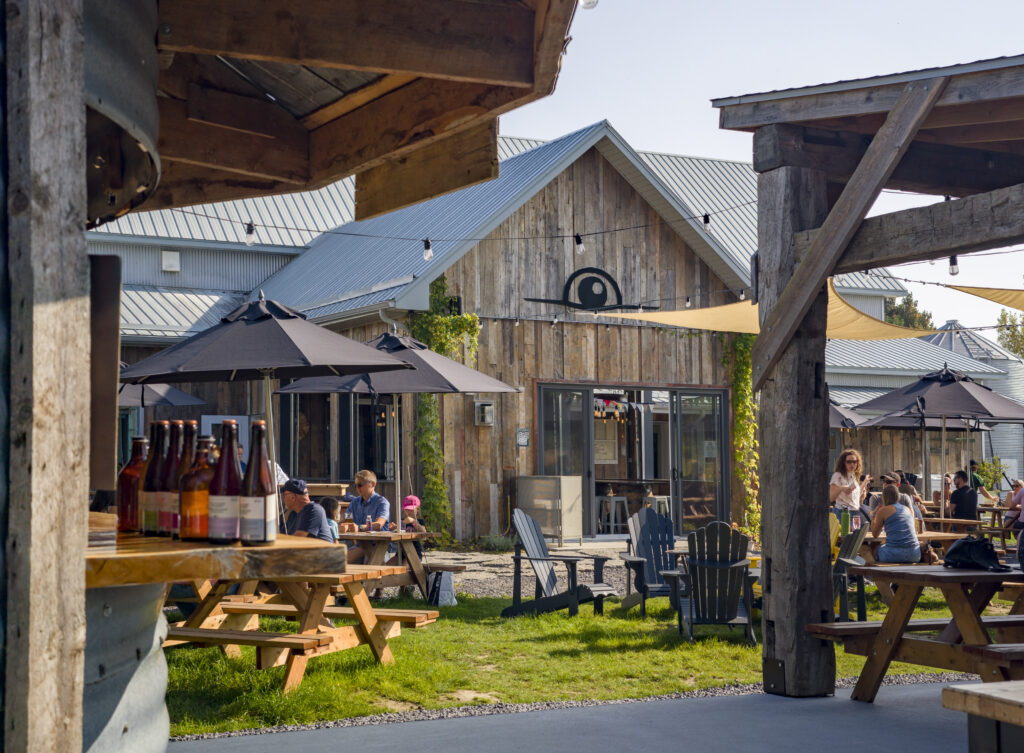
On his way back to Saint-Jean-sur-Richelieu, he discovers Terre à Boire, a unique farm brewery in Saint-Blaise-sur-Richelieu where everything — from growing the grains to brewing the beer — is done on-site. This stop gives him the chance to enjoy locally inspired beers in a warm and welcoming atmosphere.
Day 5 : Picturesque villages and a soft landing
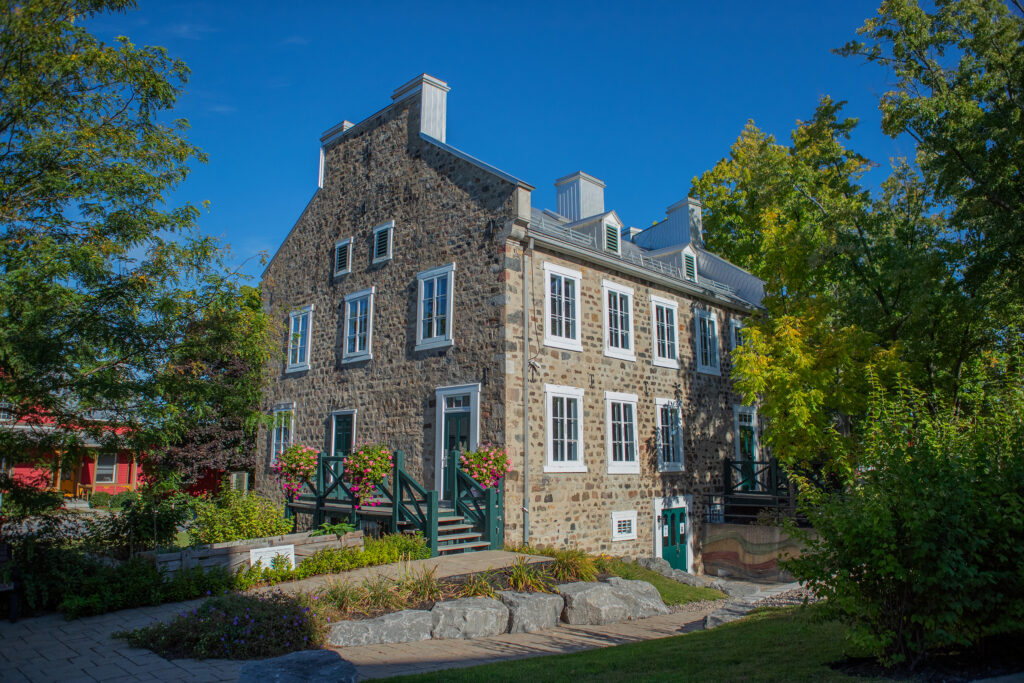
On the final day of his journey, the cyclist heads back toward Chambly to explore the Richelieu Valley, home to some of Québec’s most beautiful villages, including Saint-Denis-sur-Richelieu. There, he visits the Maison nationale des Patriotes and immerses himself in the history of the 19th-century Patriote movement.
He spends his final night in Beloeil, with a gastronomic meal and comfortable stay at Hôtel Rive Gauche – Refuge Gourmand.
A region made for cycling
Jacques recommends Montérégie for its diverse landscapes — rivers, mountains, and orchards — as well as for its cultural and historical stops, such as the forts, the charming villages of the Richelieu Valley, and the Maison des peuples autochtones. For him, the region’s proximity to Montréal, its well-developed bike network, and the accessibility provided by several bridges make it an ideal destination for a more eco-friendly getaway. With well-organized bike paths and road routes, along with tools like Ride with GPS, Montérégie offers a cycling experience that blends discovery, relaxation, and adventure.